Gaming is one of the fastest-growing industries in Southeast Asia. As studios expand and multidisciplinary teams become the norm, the workplace has evolved beyond a traditional office. Today’s gaming companies need environments that encourage creativity, accelerate collaboration, strengthen company culture, and help attract and retain top talent.
Through our experience working with gaming companies, we’ve observed several workplace strategies that consistently support these goals. For example, many gaming companies prioritize company culture, employee engagement, wellbeing, and employee retention as part of their design brief.
Company Culture Is Part of the Workplace
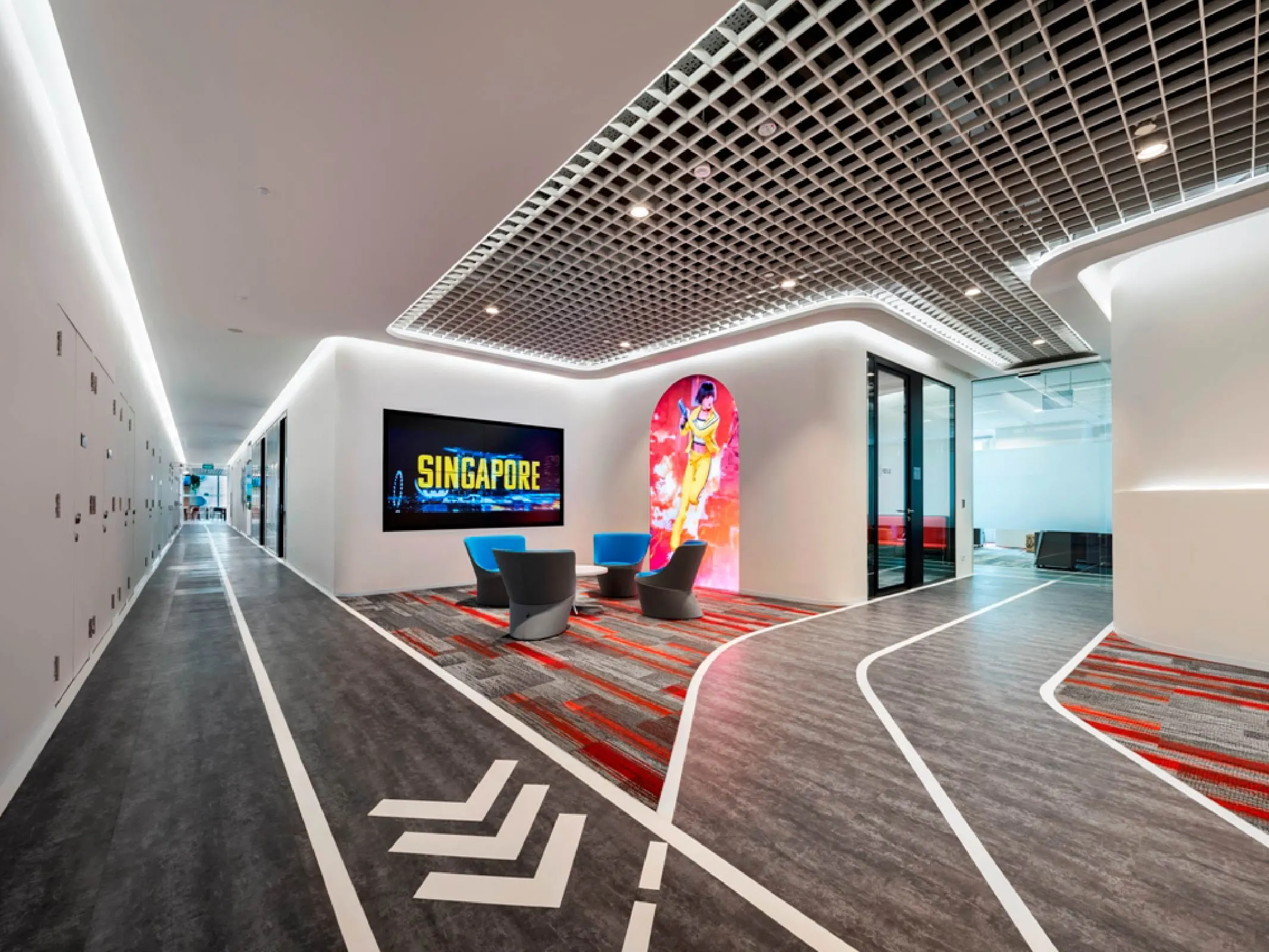
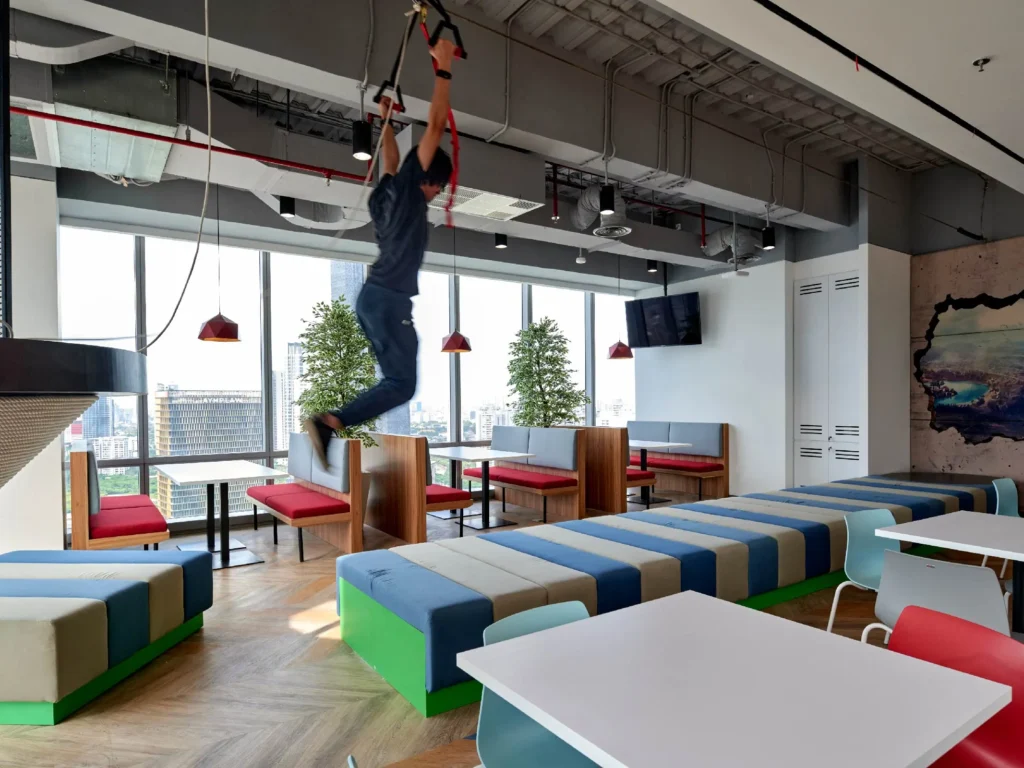
A gaming company’s workplace should reflect the culture behind its games. Unlike traditional corporate offices, gaming companies are often made up of younger, highly creative teams that thrive on collaboration, innovation, and fast decision-making.
With flatter organizational structures, ideas can come from anyone—whether they’re developers, artists, designers, or marketers. This means the workplace needs to encourage spontaneous discussions while still providing spaces for focused work when needed.
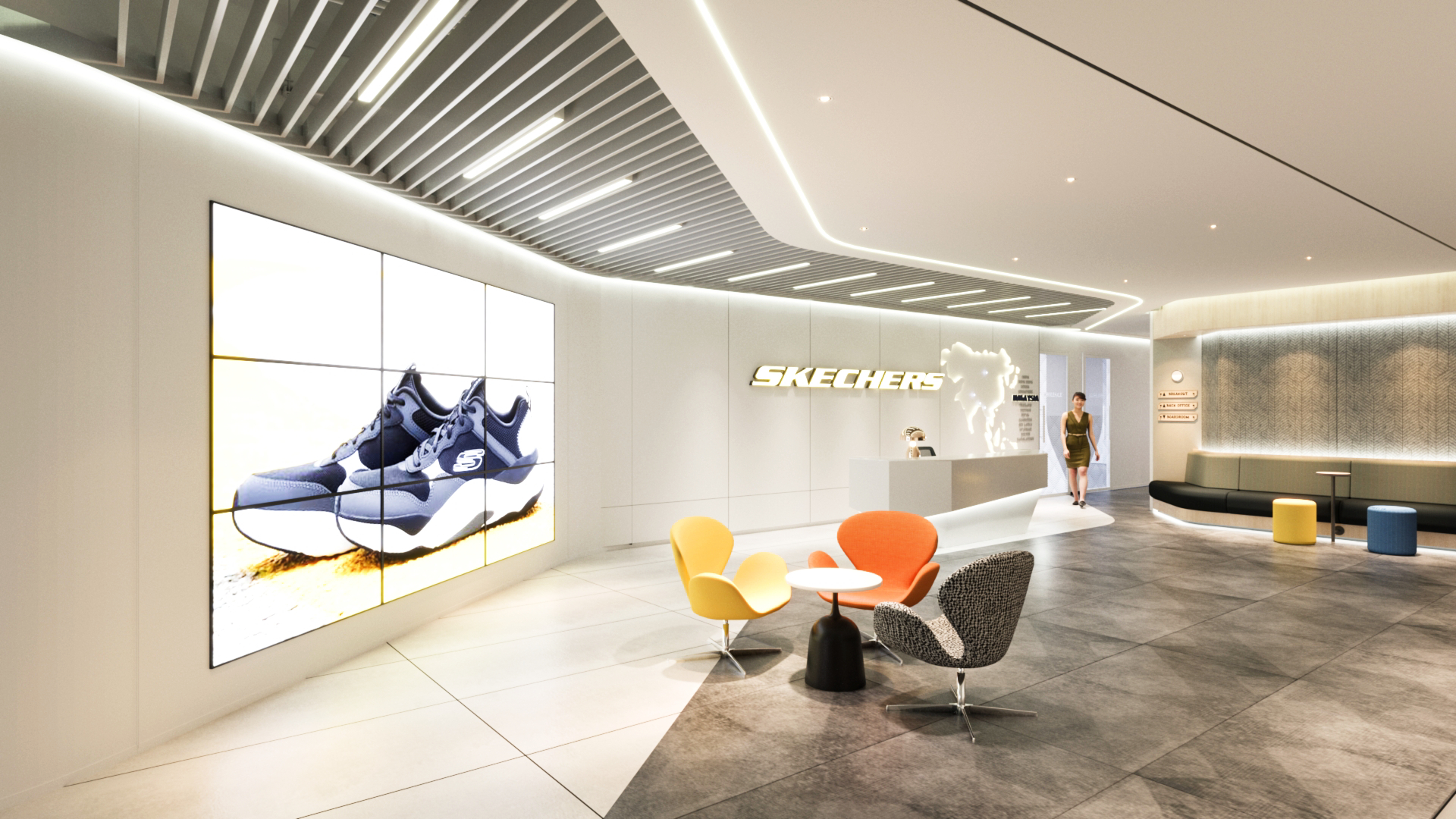
Beyond functionality, the office also plays an important role in attracting and retaining talent. Employees are more likely to feel engaged when the workplace reflects the company’s identity, supports their wellbeing, and creates a strong sense of community.
At PDG, we believe every gaming workplace should start with understanding how people work and collaborate. By designing spaces that align with company culture, gaming businesses can create an environment that inspires creativity, strengthens teamwork, and supports long-term growth.
Collaboration Drives Innovation
Game development is a highly collaborative process. From developers and artists to UI/UX designers, QA teams, marketers, and publishers, every stage of creating a game depends on continuous communication and teamwork.
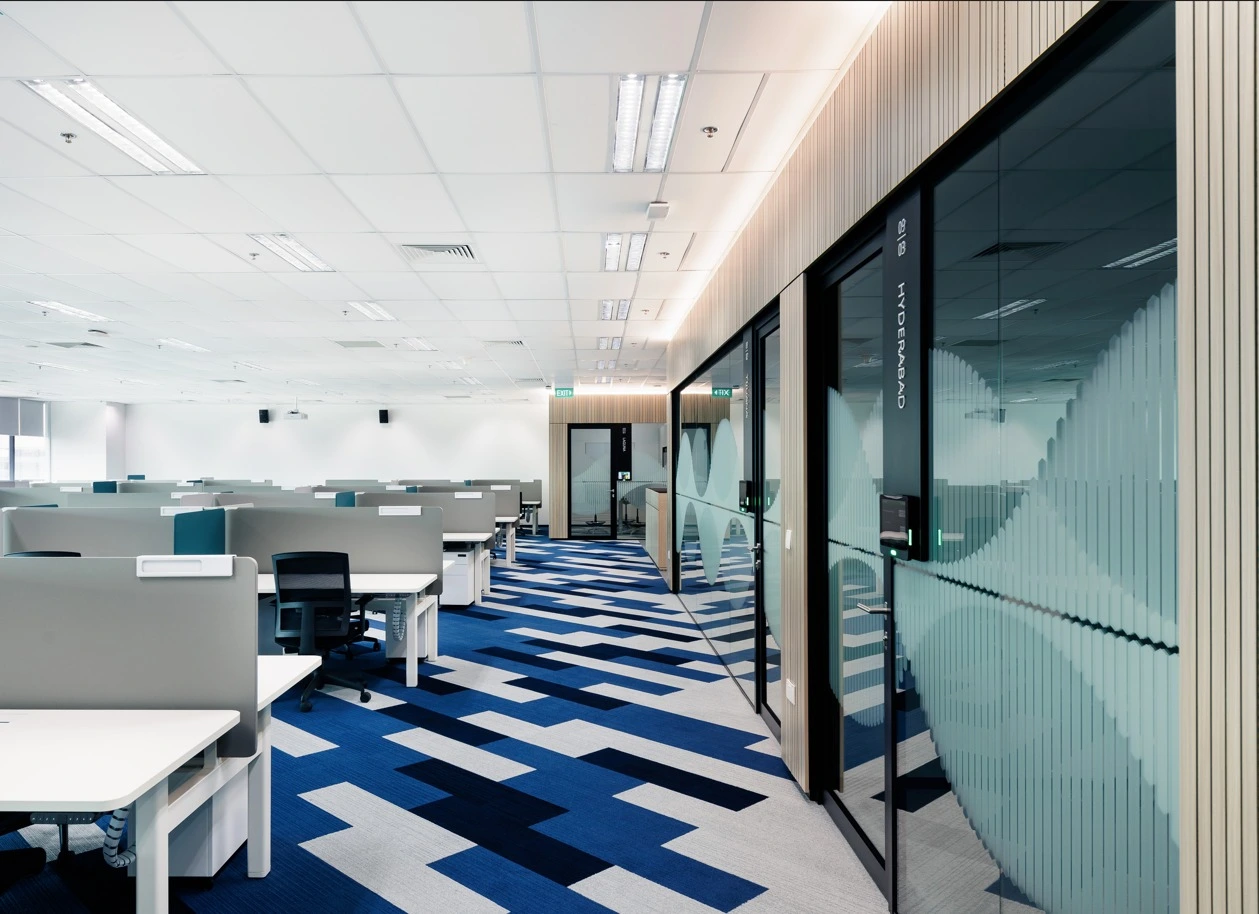
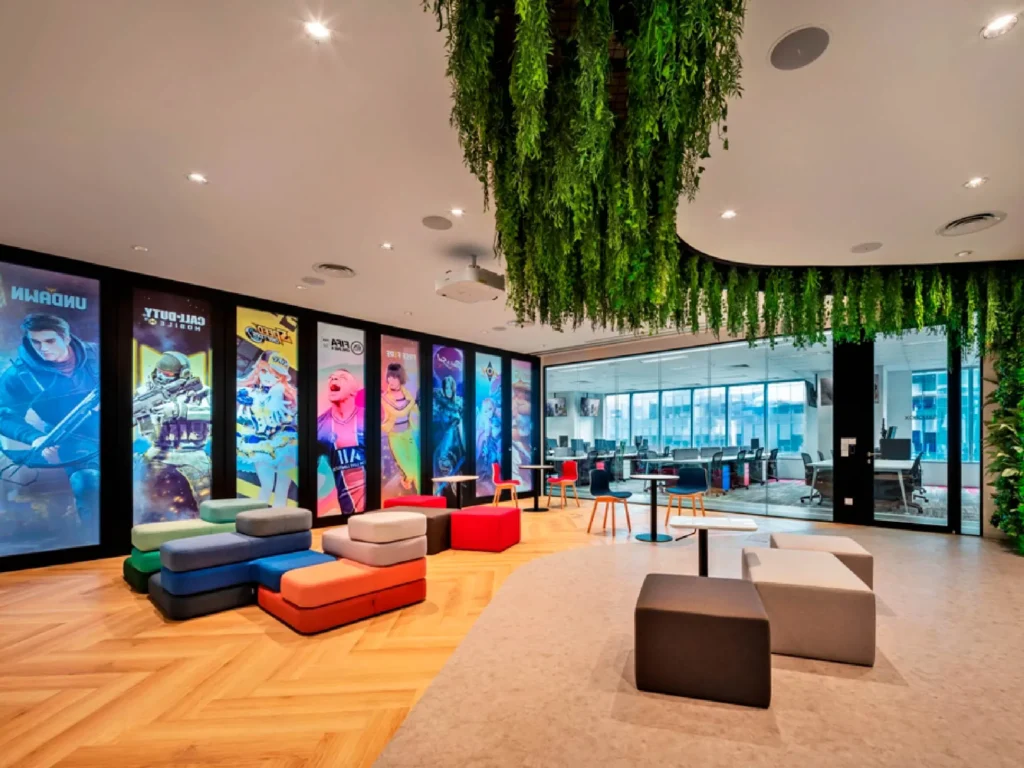
Because of this, gaming offices require more than rows of workstations. Spaces such as open collaboration areas, project rooms, huddle spaces, and informal meeting zones help teams share ideas, solve problems quickly, and keep projects moving efficiently.
Collaboration is a key consideration when designing workplaces for gaming companies. By creating a balance between collaborative spaces and focused work areas, the workplace can support both creative discussions and individual productivity. The result is an environment that encourages innovation while helping teams stay connected throughout the game development process. This aligns with a common objective among gaming companies to strengthen collaboration and networking across teams.
Employee Wellbeing Is a Business Strategy
In the gaming industry, creativity is one of the most valuable assets. However, long development cycles, tight deadlines, and intensive collaboration can lead to creative fatigue and burnout if the workplace does not support employee wellbeing.
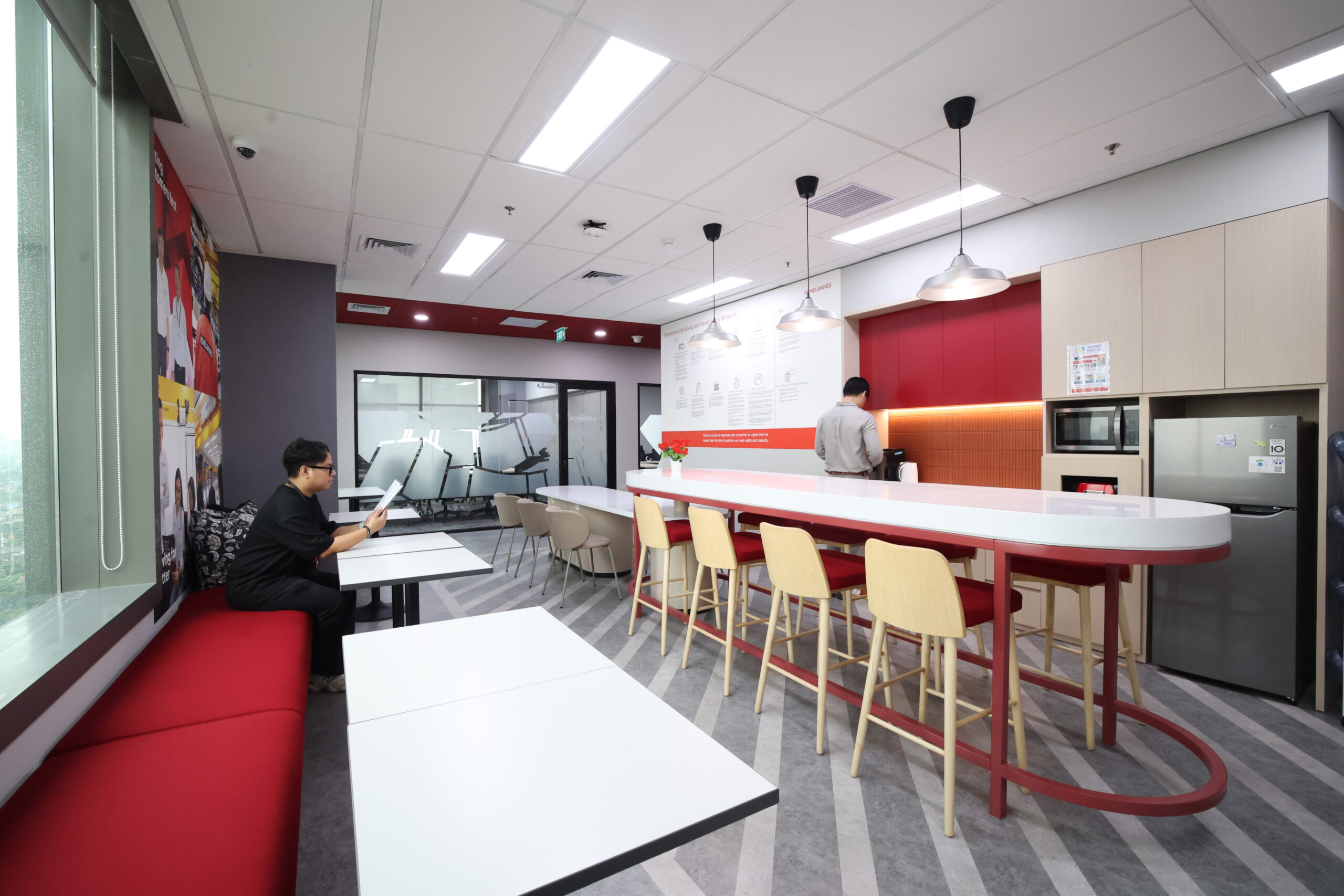
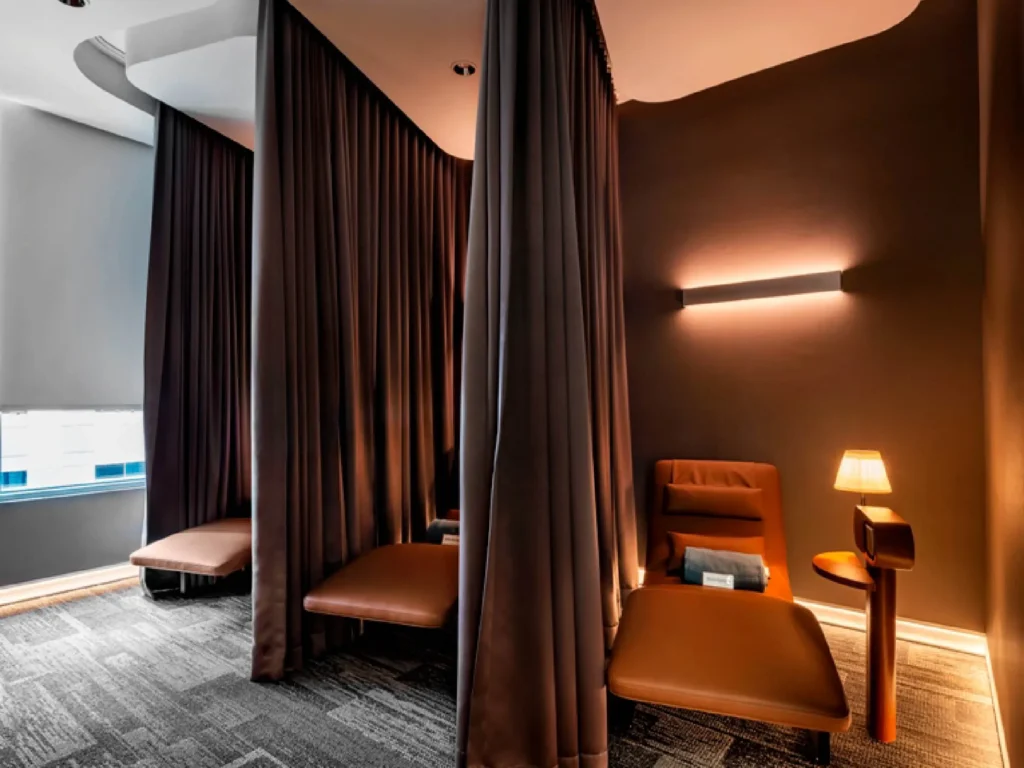
Today’s gaming companies are placing greater emphasis on creating environments that help employees stay healthy, focused, and motivated. Features such as comfortable breakout areas, well-designed pantries, access to natural light, ergonomic furniture, and wellness spaces are no longer seen as added benefits—they are becoming essential components of a productive workplace.
A well-designed office can significantly improve the overall employee experience by creating a healthier and more enjoyable place to work. Beyond supporting day-to-day productivity, these spaces also contribute to stronger engagement, better collaboration, and higher staff retention—making employee wellbeing a strategic investment rather than simply a workplace perk.
Every Gaming Company Is Different
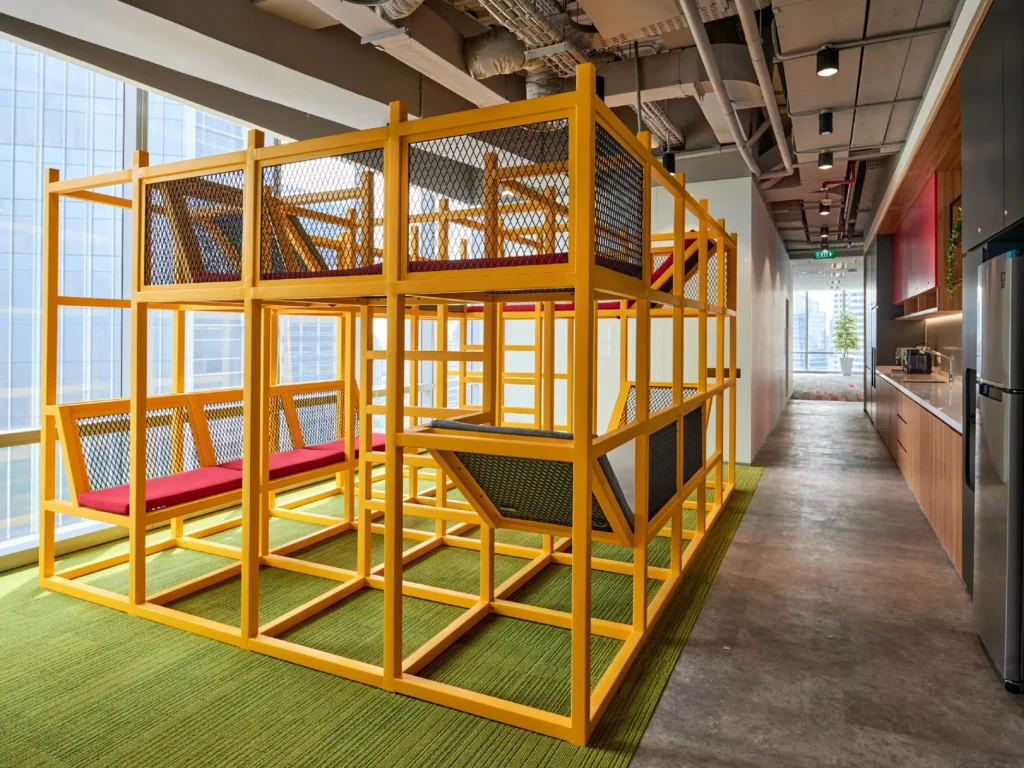
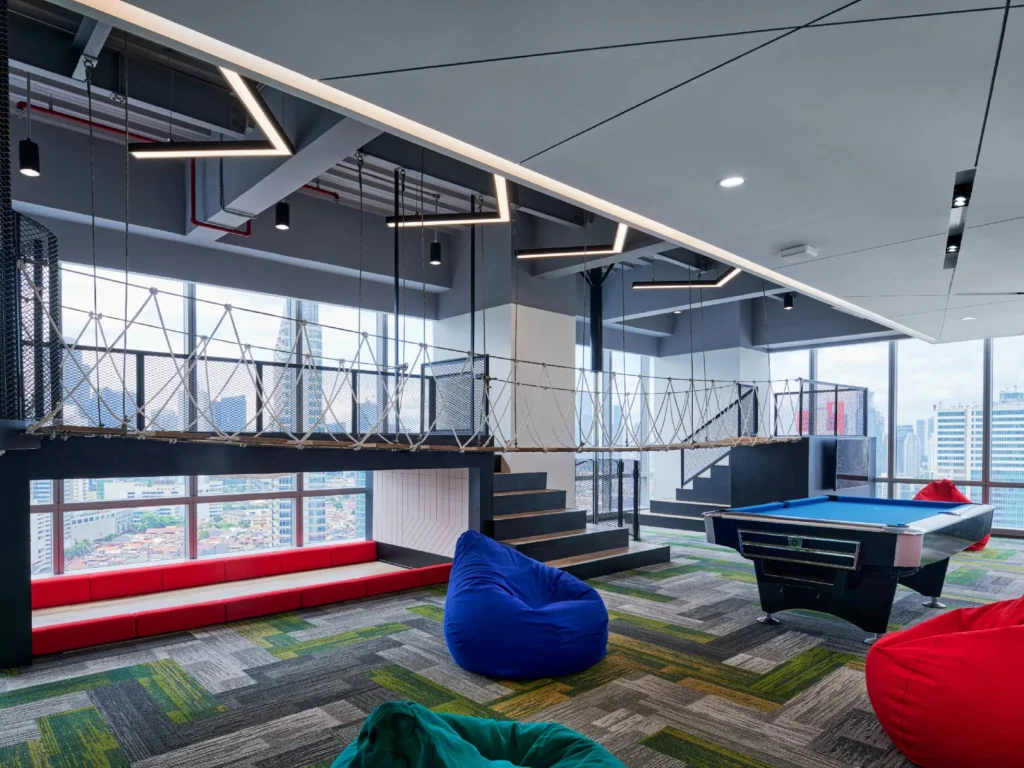
There is no one-size-fits-all approach to designing a gaming workplace. While gaming offices are often associated with colourful interiors and recreational spaces, the reality is that every company operates differently.
A game publisher may prioritise collaboration between marketing, publishing, and regional teams. A mobile game developer may focus on agile project spaces that support rapid product development. Meanwhile, an esports organisation could require event spaces, content creation studios, or streaming facilities. Larger AAA studios may also need specialised environments for art production, sound design, quality assurance, and large-scale cross-functional collaboration.
This is why workplace design should never be driven by trends alone. The most successful gaming offices are designed around the company’s unique culture, workflows, and business objectives. When the workplace reflects how teams actually work, it becomes a tool that supports creativity, collaboration, and long-term growth—not just an impressive space to look at.
Our Approach at PAND Design Group
Rather than applying a one-size-fits-all design, our process begins with understanding how people work.
For gaming companies, this includes design workshops, workplace questionnaires, stakeholder interviews, and collaborative planning sessions to identify operational needs before design begins. This approach is also reflected in the conceptualization process and workshops conducted on one of our gaming projects.
The future of gaming workplaces isn’t defined by colourful interiors or entertainment spaces.
It’s defined by how effectively the workplace supports creativity, collaboration, wellbeing, and company culture.
As the gaming industry continues to evolve, workplace design will remain a strategic investment—not just in office space, but in people.
Planning a workplace for your gaming company?
Whether you’re expanding, relocating, or rethinking your current office, a well-designed workplace can help support your team’s creativity, collaboration, and long-term growth.
PAND Design Group partners with businesses across Southeast Asia to create workplaces that align with the way people work today—and the way they’ll work tomorrow.
Get in touch with our team to discuss how we can help shape your next workplace.