Running out of office space doesn’t always mean you need a bigger office.
As businesses grow, it’s common to assume that more employees automatically mean more floor area. But before taking on additional rent, relocating, or committing to a major office renovation, there’s an important question to ask:
Are you making the best use of the space you already have?
Effective office space planning isn’t simply about fitting more desks into a floor plan. It starts with understanding how people work, how different spaces are actually being used, and where opportunities exist to improve efficiency.
With the right workplace strategy, companies can often create a more flexible, productive and future-ready workplace without immediately increasing their real estate footprint.
Here are five areas to consider.
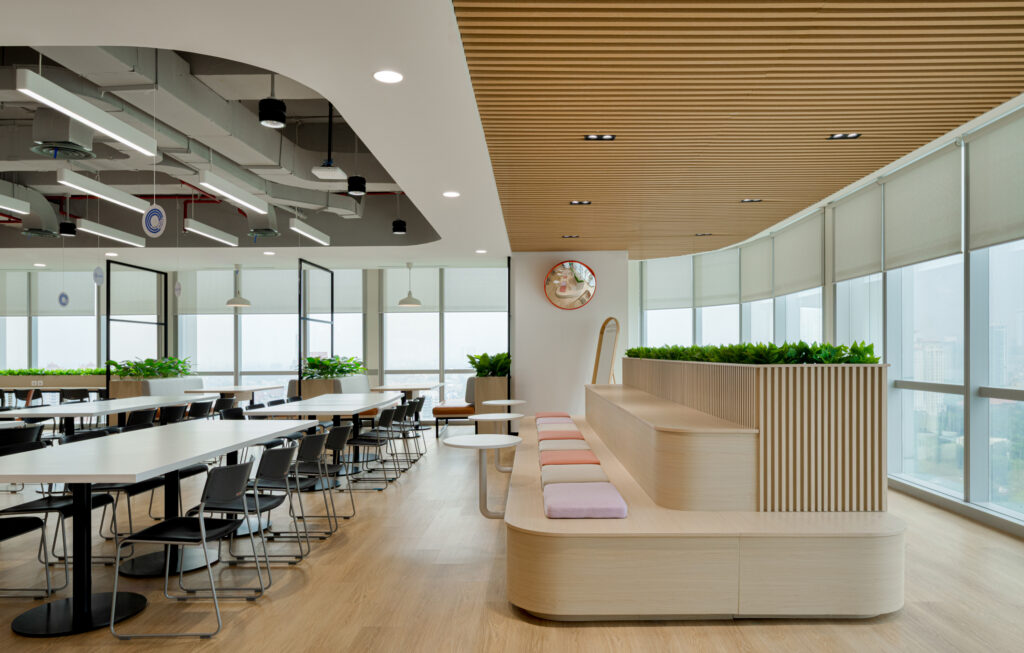
1. Understand How Your Office Is Really Being Used
Before changing the layout, understand what is actually happening inside the workplace.
Are desks fully occupied throughout the week? Are large meeting rooms frequently used by only two or three people? Are employees struggling to find spaces for focused work while other areas remain empty?
Good office space planning starts with understanding these workplace behaviours rather than relying only on headcount.
By looking at how employees focus, collaborate, meet and move through the office, businesses can identify where valuable space is being underutilized and where more space is genuinely needed.
Better space planning starts with understanding how people actually use the workplace.
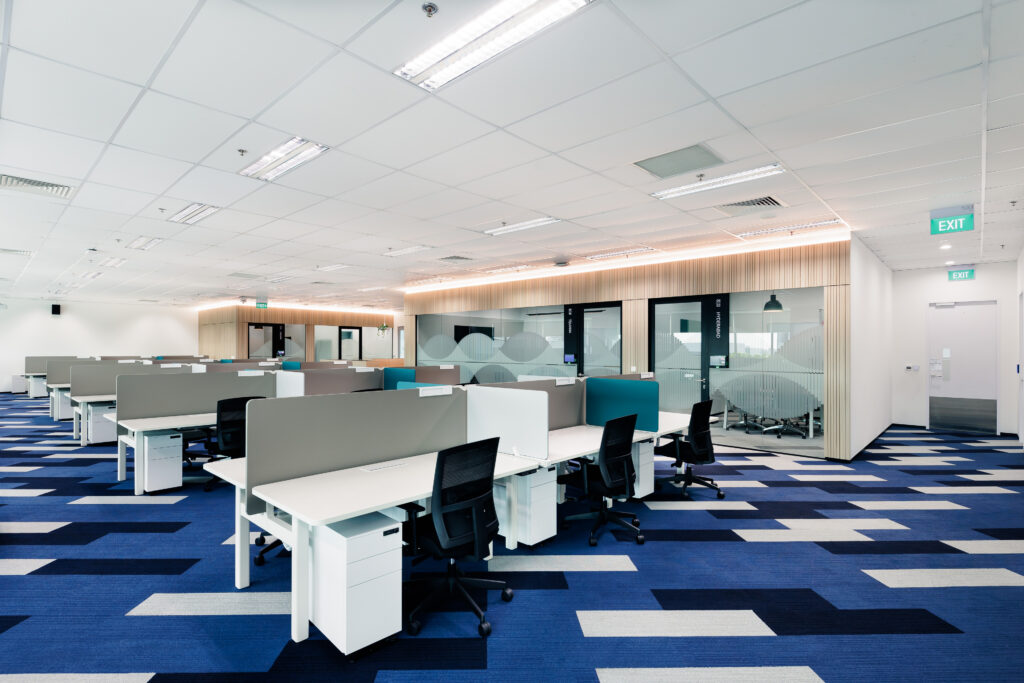
2. Stop Trying to Fit Everything In
When space becomes limited, the natural reaction is often to squeeze more into the floor plan.
More desks. More meeting rooms. More storage.
But maximising capacity doesn’t necessarily create a better workplace.
The more important question is: Which spaces create the most value for the business and its people?
For one organisation, that could mean additional workstations. For another, it may be smaller meeting rooms, better collaboration areas, quiet spaces or more flexible work settings.
Effective workplace design prioritises what employees genuinely need instead of trying to accommodate everything. The goal isn’t to fit more into your office—it’s to make better use of the space you have.
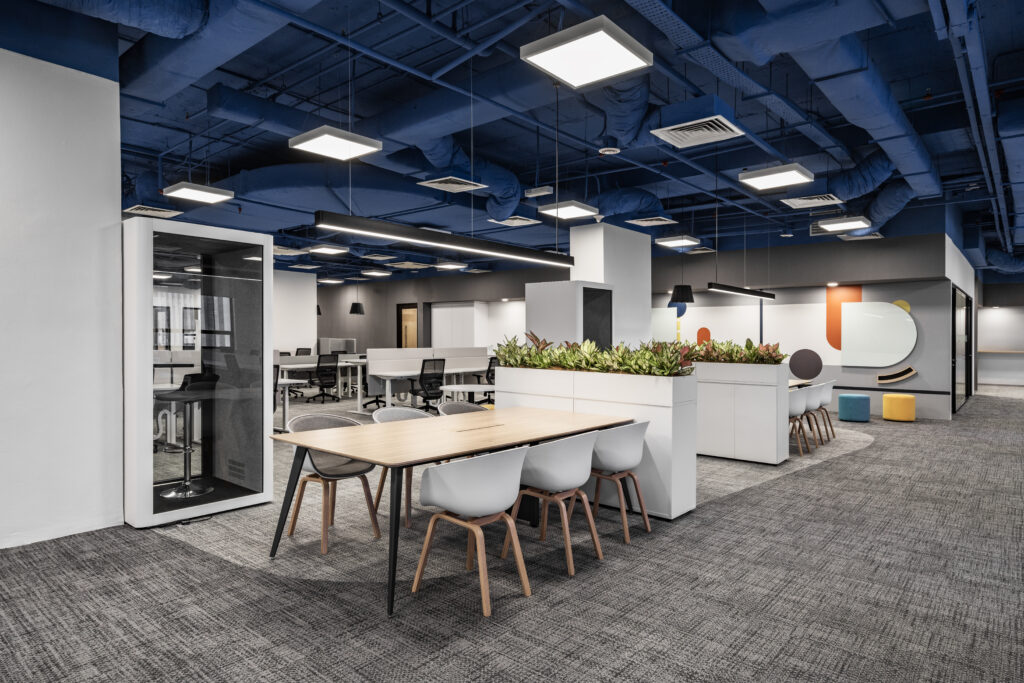
3. Make One Space Work Harder
Not every workplace function needs its own dedicated room.
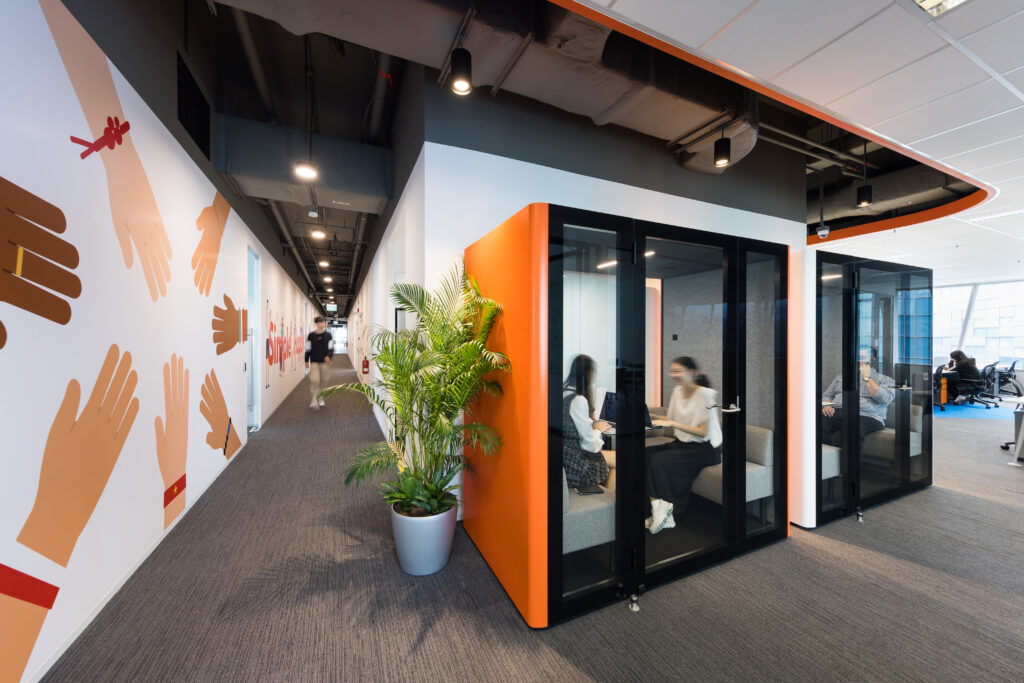
A meeting room can also support workshops. A collaboration area can accommodate informal meetings. A flexible space can be used for presentations, team activities, training or focused work depending on the day.
This is where flexible workplace design can significantly improve space utilisation.
Using adaptable furniture, movable elements and multi-purpose spaces allows the workplace to respond to different activities without continually adding more rooms.
This is particularly valuable for hybrid workplaces, where office occupancy and the way employees use space can change throughout the week. When space is valuable, design it to do more than one job accommodate everything.
The goal isn’t to fit more into your office, it’s to make better use of the space you have.
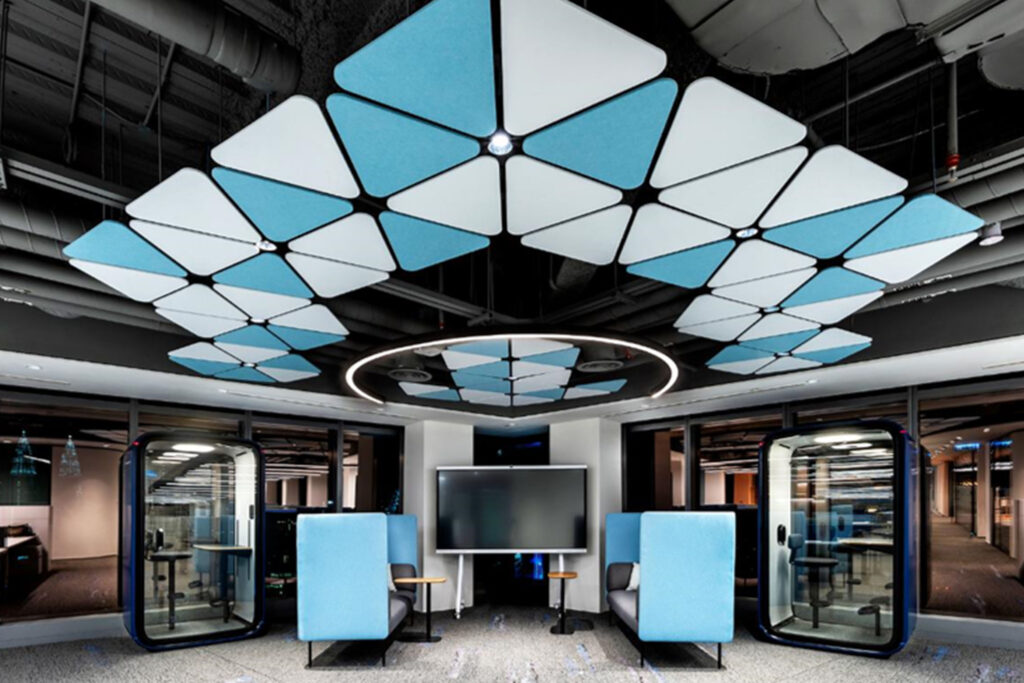
4. Don’t Gain Desks at the Expense of People
Maximising office space shouldn’t mean filling every available corner with workstations.
Employees still need comfortable circulation, privacy, good acoustics, natural light, areas for focused work and places to collaborate or recharge.
Adding more desks may increase capacity on paper, but if the workplace becomes noisy, congested or uncomfortable, the additional density can work against productivity and employee experience.
Good commercial interior design balances space efficiency with the quality of the workplace experience.
The best office isn’t necessarily the one that accommodates the most people. It’s the one that enables people to work comfortably and effectively.
Space efficiency should improve the employee experience—not compromise it.
5. Design for the Team You’ll Have Tomorrow
Office space planning shouldn’t stop at today’s headcount.
Businesses change. Teams grow, departments restructure, technology evolves and new ways of working emerge.
A workplace designed too tightly around current requirements may become inefficient much sooner than expected—potentially resulting in another renovation or relocation.
Flexible layouts, adaptable furniture and multi-purpose work settings allow an office to evolve as business needs change.
That’s why good workplace strategy considers not only where the organisation is today, but where it expects to be over the next three to five years.
Design for the business you’re becoming—not just the team you have today.
From Space Planning to Workplace Transformation
Space planning is only the beginning.
The right layout needs to work together with office interior design, furniture, lighting, technology,
acoustics, employee experience and the organisation’s brand and culture.
At PAND Design Group, we approach workplace design by first understanding the people, the business
and how the space needs to perform.
Across Singapore, Kuala Lumpur and Jakarta, our teams support businesses through workplace strategy, office space planning, office renovation, office fit out, commercial interior design, and integrated office design and build.
Because a successful workplace isn’t about creating the most space possible.
It’s about creating the right space for your business—today and for what’s next.
Is Your Business Running Out of Office Space?
Before committing to a larger office, major renovation or relocation, it may be worth understanding
whether your existing workplace can work harder.
Talk to PAND Design Group about how smarter office space planning can support your next stage of
growth.