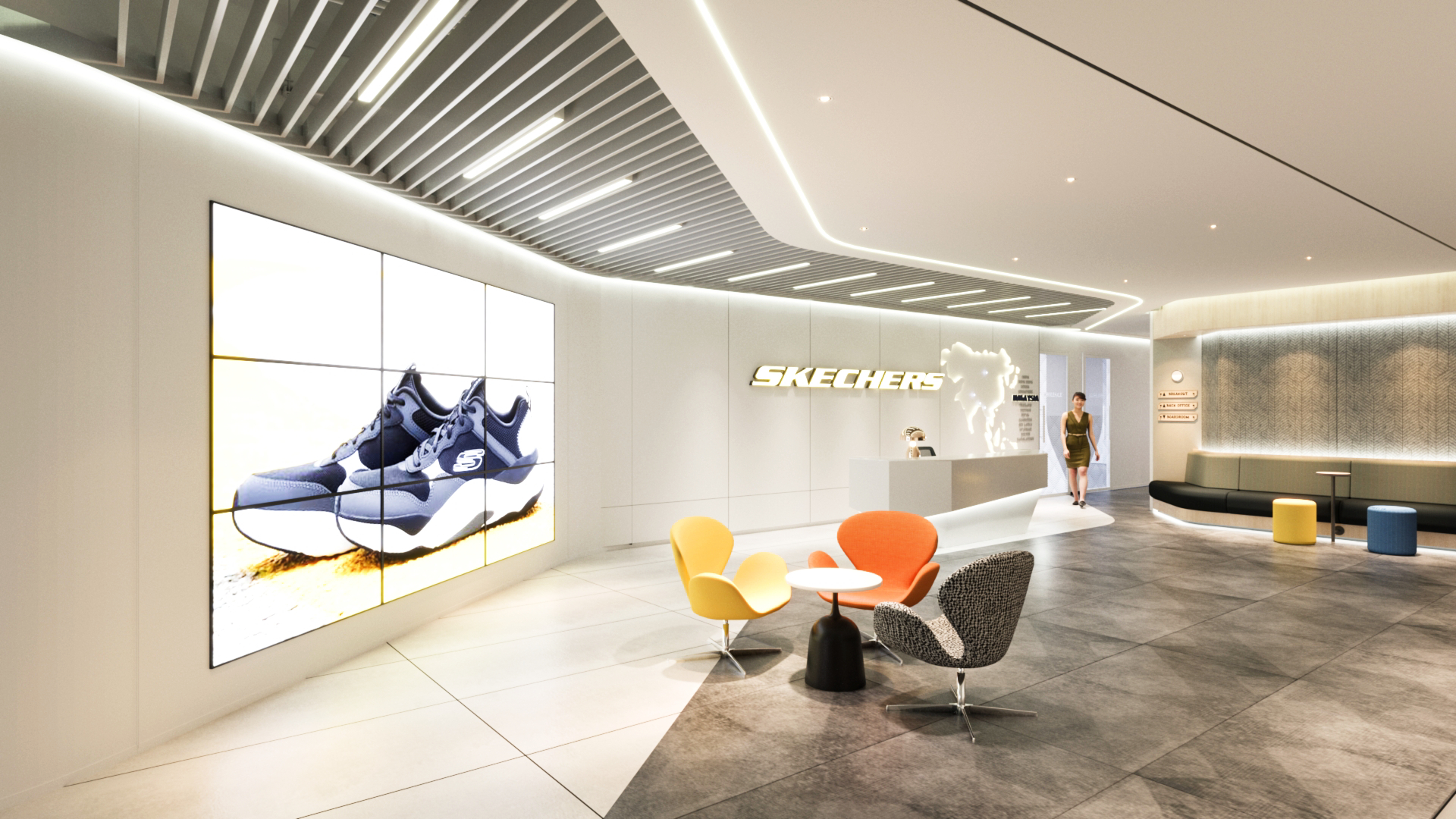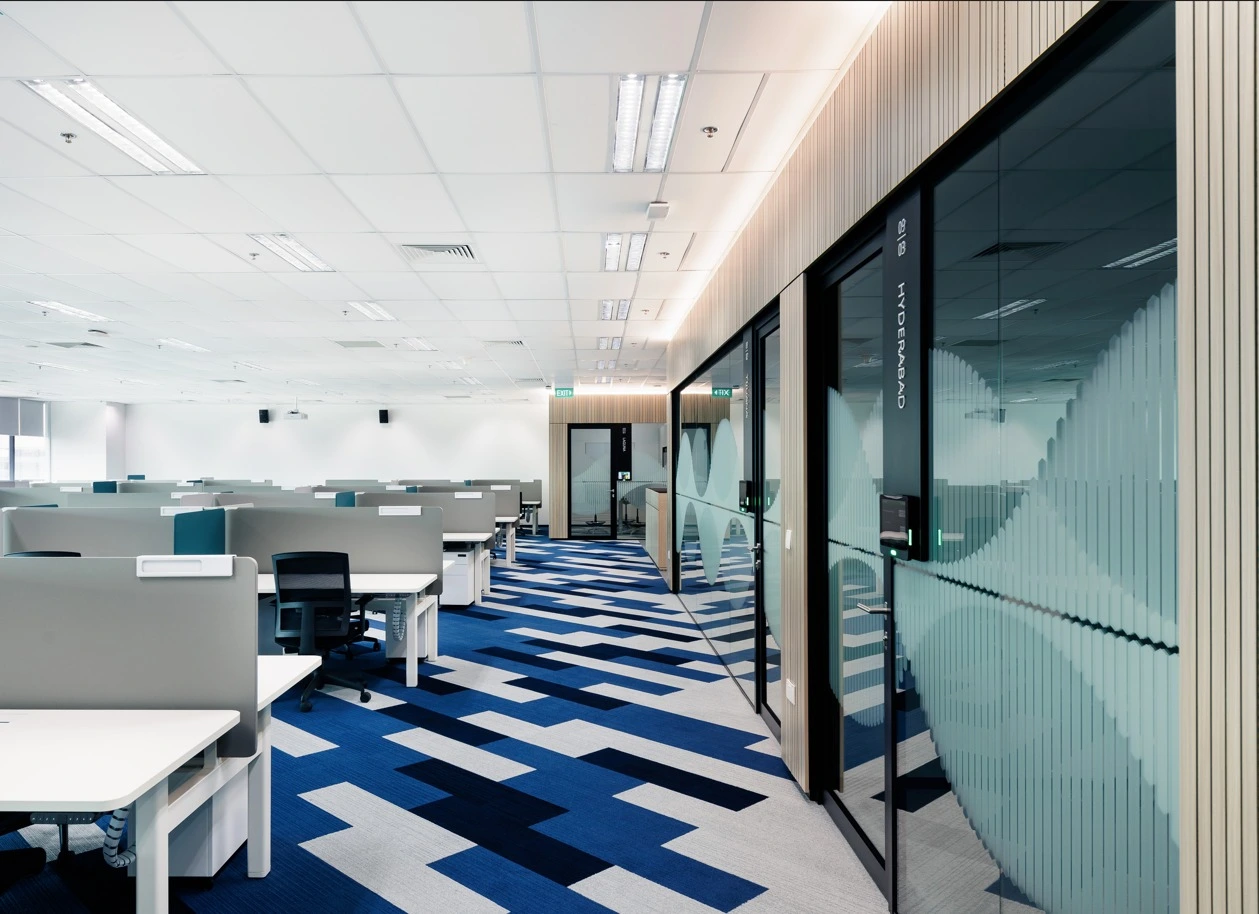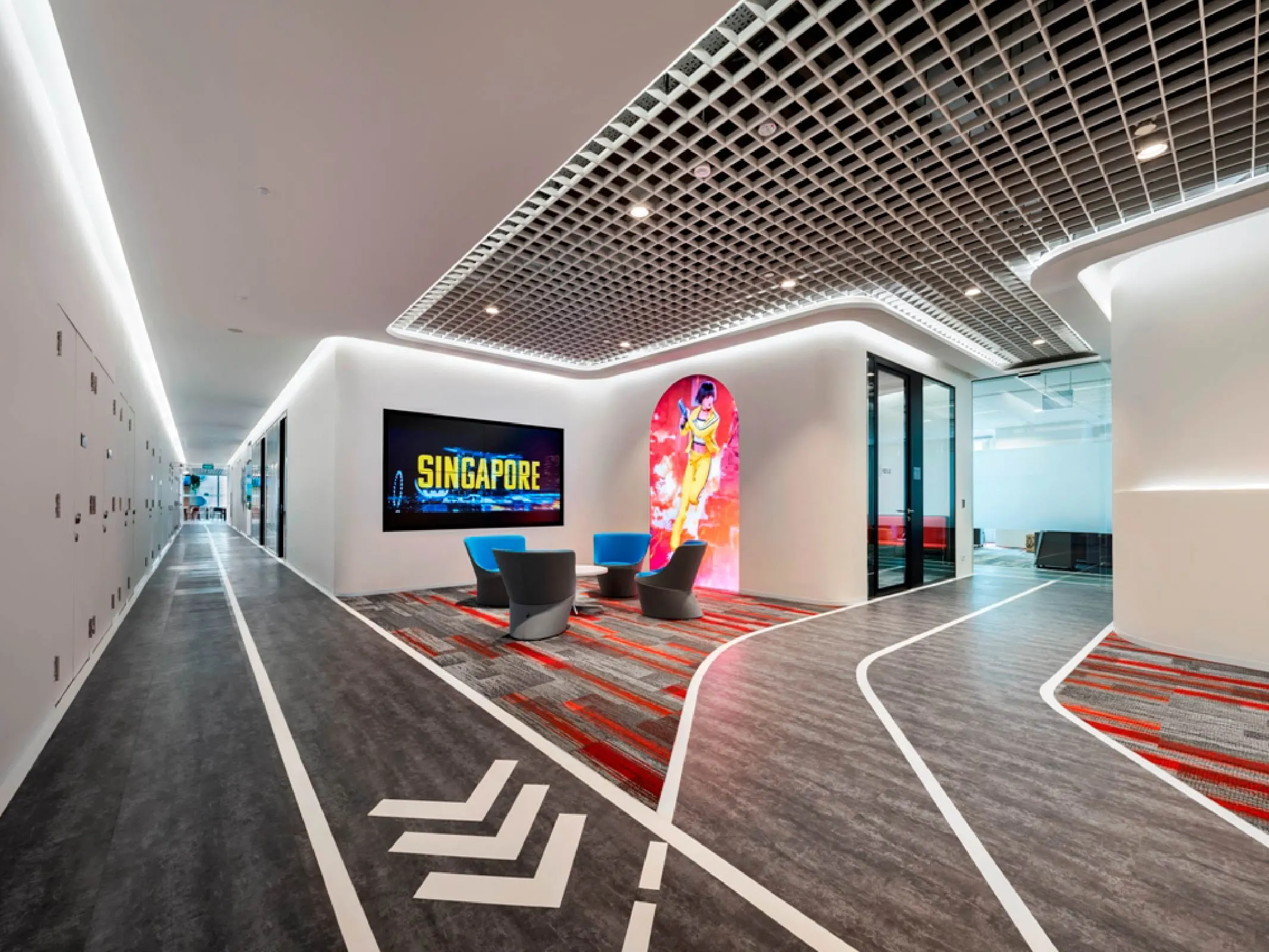
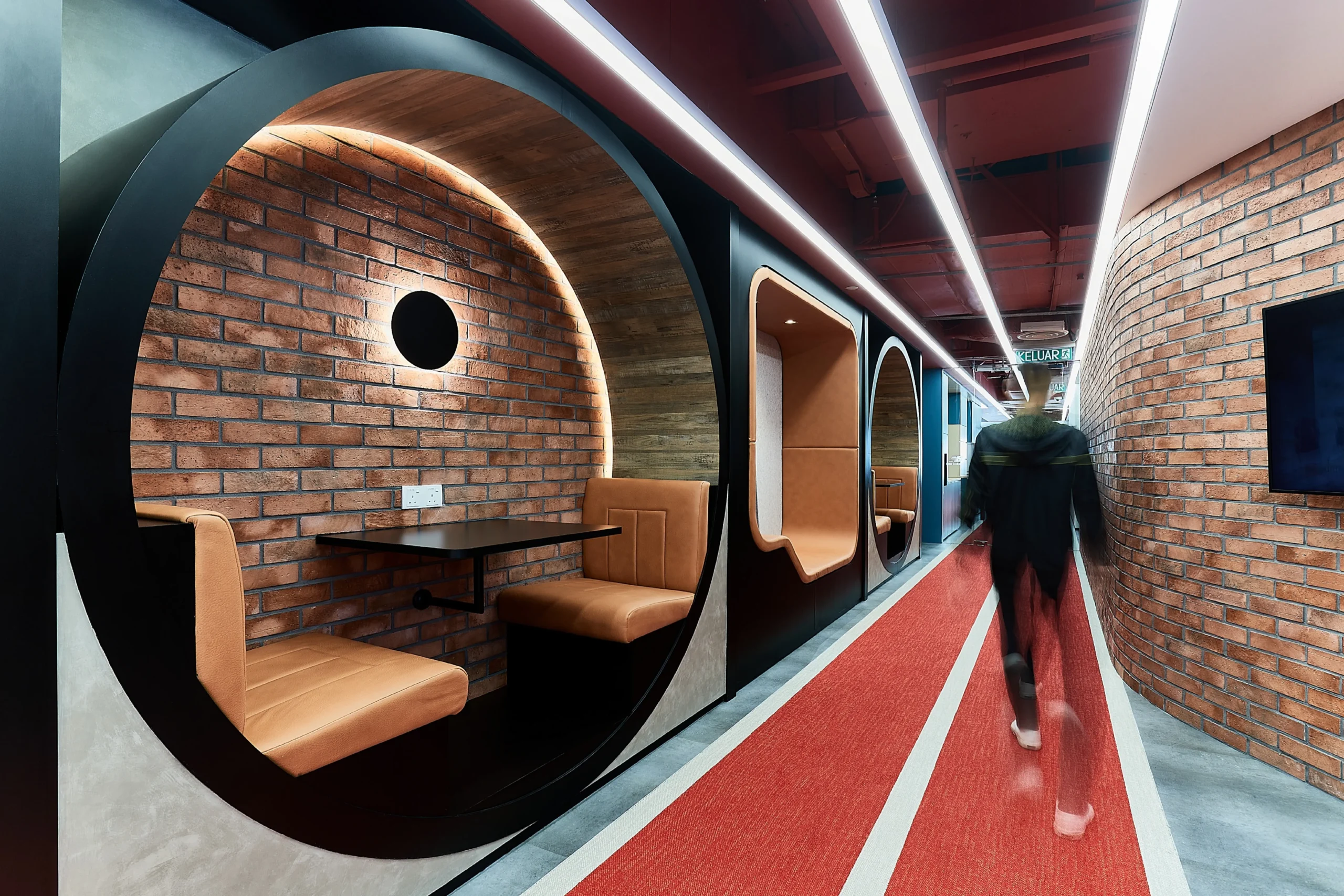
When it comes to workplace design, many decisions are still driven by outdated assumptions. From open-plan layouts to the role of aesthetics, these “office myths” can quietly impact productivity, employee wellbeing, and overall business performance.
In reality, modern office design is far more strategic. It’s not just about how a space looks—but how it works.
Let’s break down some of the most common office design myths—and what actually works today.
Myth #1: Open-Plan Offices Boost Productivity
Open-plan offices have long been seen as the ultimate solution for collaboration and efficiency. The idea is simple: remove walls, and communication flows more freely.
The reality?
Without proper spatial planning, open layouts often create noise, distractions, and reduced focus. A well-designed office doesn’t rely on openness alone—it balances collaboration and concentration. Smart zoning is key: combining open work areas with quiet zones, meeting pods, and breakout spaces allows employees to choose how they work best.
Myth #2: More Desks = More Work Done
It might seem logical—more desks mean more people, and more people mean higher productivity.
But workplace efficiency isn’t about density—it’s about usability.
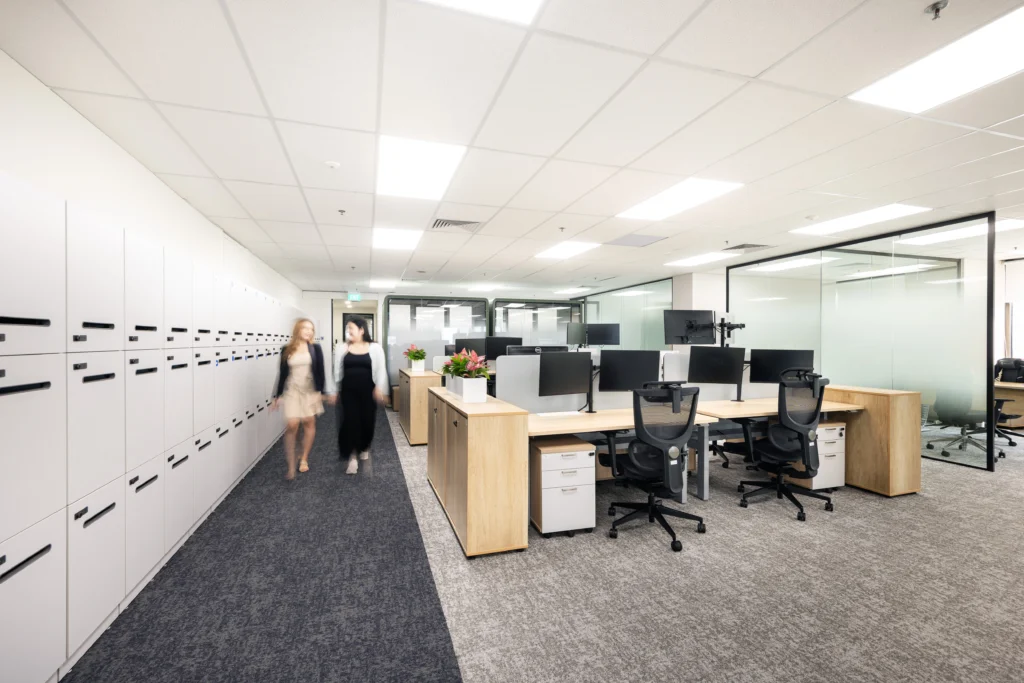
Overcrowded offices can lead to discomfort, lack of privacy, and reduced performance. Instead, flexible layouts that include shared desks, collaborative zones, and informal meeting areas create a more dynamic and efficient work environment.
Modern offices prioritize quality of space over quantity of desks.
Myth #3: Office Design Isn’t About Aesthetics. It’s About Business Performance.
An office shouldn’t just look impressive.
It should help employees work smarter, communicate better and feel more engaged throughout the day.
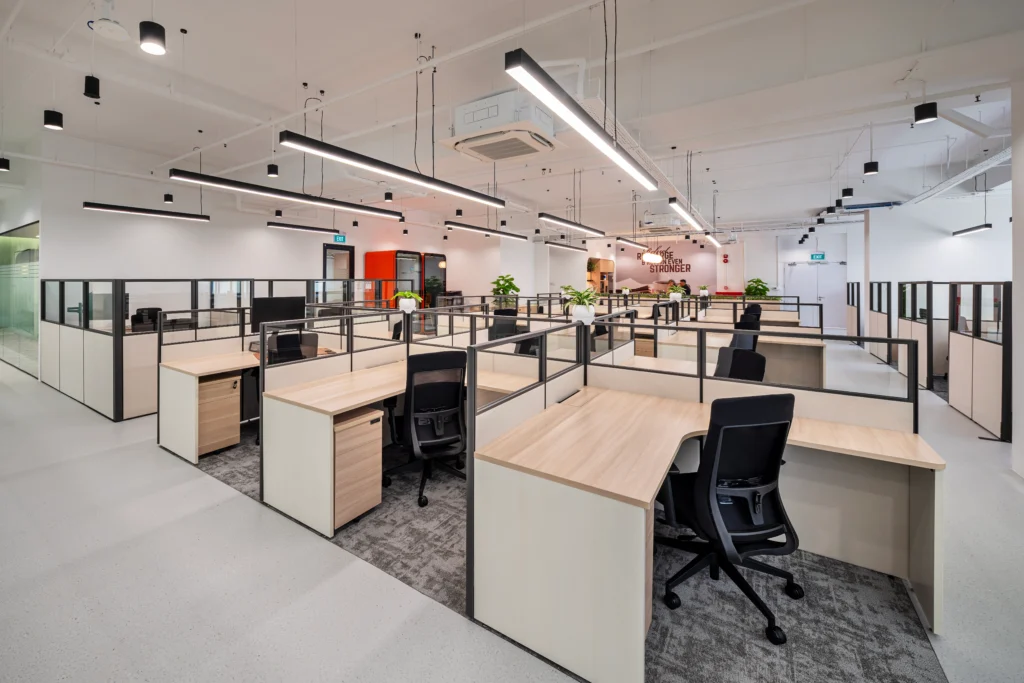
Every design decision—from workplace planning and circulation to lighting, acoustics and collaboration spaces—directly impacts productivity and employee experience.
A beautiful office is the result.
A functional workplace is the objective.
Myth #4: Plants Are Only Decorative
Greenery is often treated as a finishing touch—something nice to have, but not essential.
In reality, plants play a much bigger role.
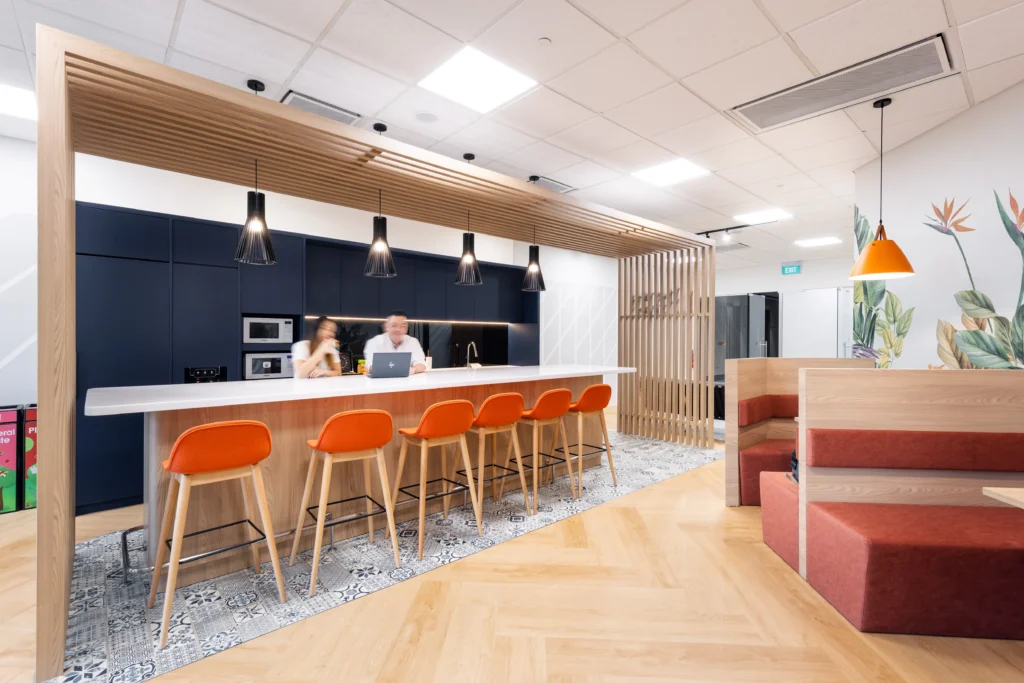
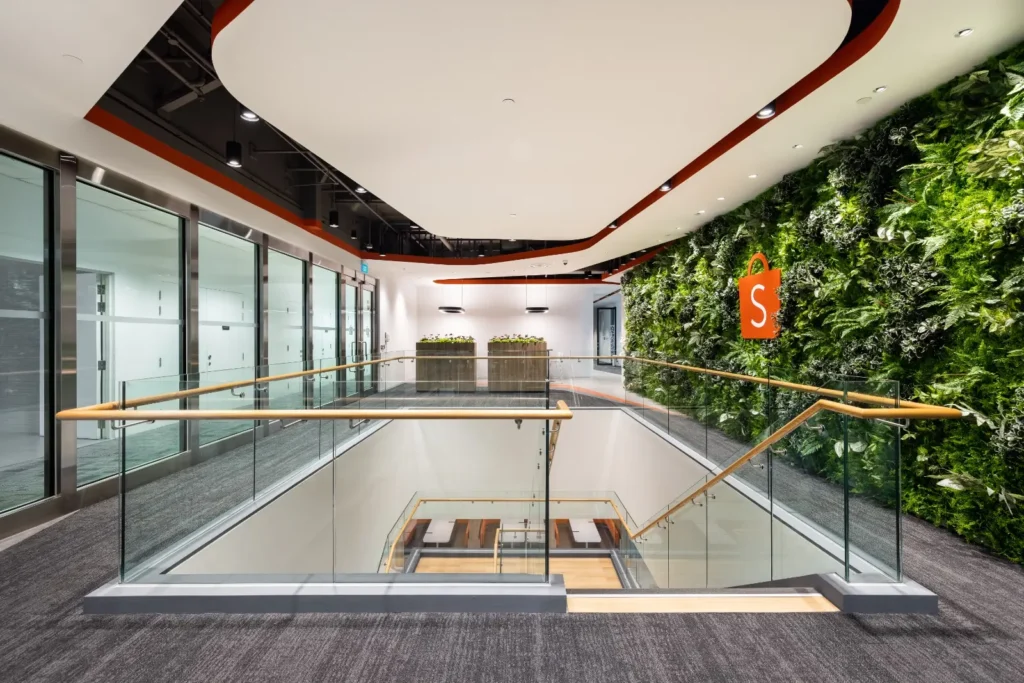
Incorporating biophilic design elements—such as natural materials, greenery, and daylight—has been proven to reduce stress, boost creativity, and enhance overall workplace satisfaction.
A greener office isn’t just more attractive—it’s healthier and more productive.
Rethinking the Way We Design Offices
Breaking these myths is the first step toward creating better workplaces. Today’s office design is about balance, flexibility, and human-centric thinking.
By moving beyond outdated assumptions, companies can create environments that truly support their teams—improving not just how spaces look, but how they perform.
Final Thoughts
Your office is more than just a place to work—it’s a reflection of your culture, your values, and your ambition. If you’re still designing based on old assumptions, it might be time to rethink your approach.
Ready to transform your office into a high-performing workspace? Contact us today and let’s make it happen.